Breakthrough: How Epstein-Barr Virus May Trigger Multiple Sclerosis
Researchers led by Prof. Christian Münz at the University of Zurich have uncovered a key mechanism by which Epstein-Barr virus (EBV) may trigger multiple sclerosis (MS). The study, published in Nature, reveals that EBV-infected B cells migrate to the central nervous system, attracting T cells and promoting inflammation—a potential target for new therapies.
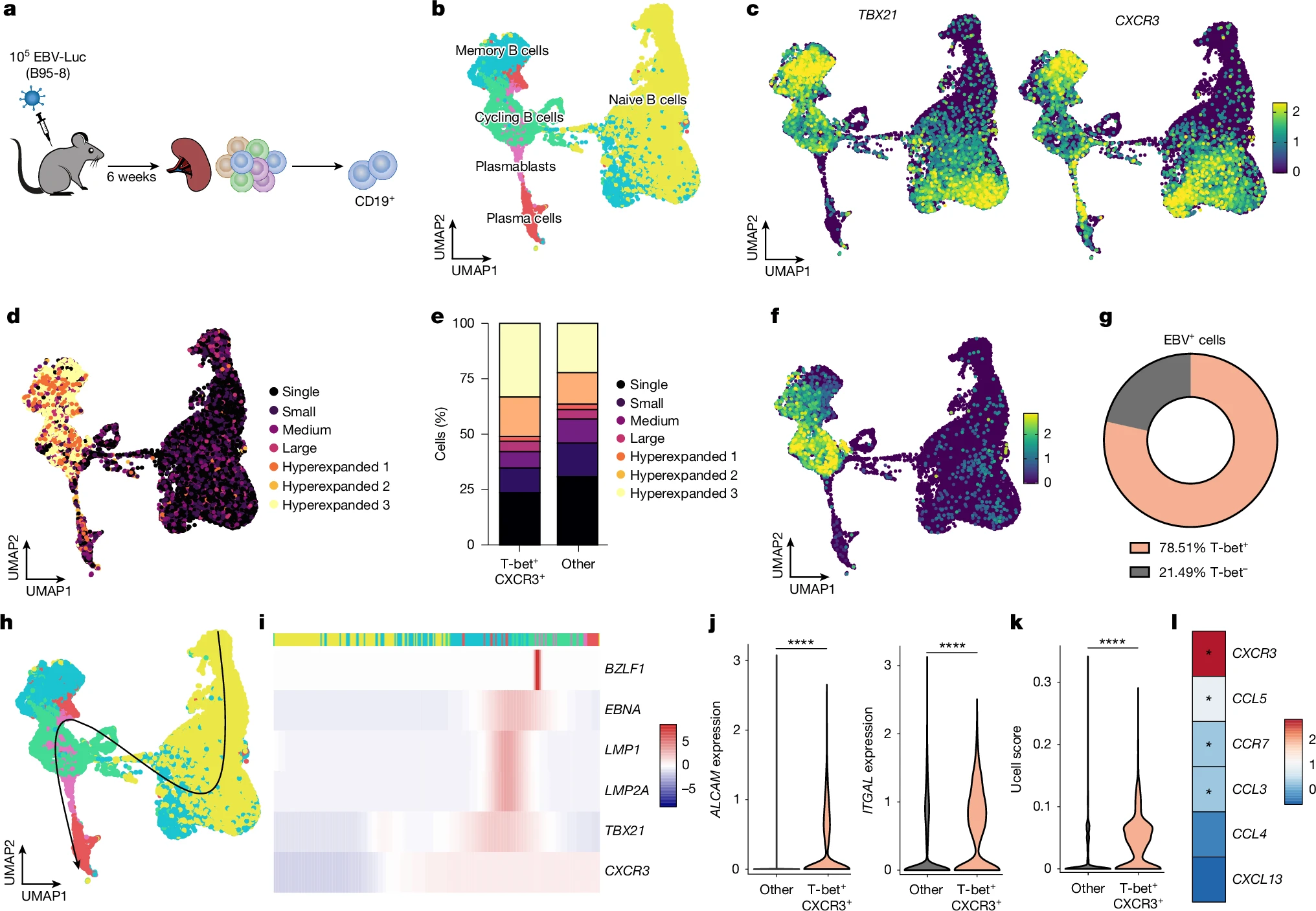
A groundbreaking study by Christian Münz and his team at the University of Zurich’s Institute of Experimental Immunology sheds light on how Epstein-Barr virus (EBV) may initiate multiple sclerosis (MS). The researchers discovered that EBV drives the expansion of , which specifically home to the central nervous system (CNS). There, they recruit activated T cells, triggering inflammatory processes characteristic of MS. Notably, depleting these B cells with rituximab or blocking the CXCR3 receptor significantly reduces lymphocyte infiltration into the CNS.
Using , the study demonstrated that EBV-infected B cells can independently migrate to the brain and attract T cells, highlighting their pivotal role in MS initiation. These findings not only deepen our understanding of MS pathogenesis but also pave the way for targeted therapies that disrupt the interaction between EBV and the immune system.
The research was supported by the , Cancer Research Switzerland, and the Swiss MS Society, among others.
Source: Nature Article